Why We’re Building Intrip — A Better Way to Discover (III)
In the last two pieces, we talked about what’s broken about today’s discovery:
How jumping across platforms feels exhausting
How endless scrolling makes you feel lost
How algorithms quietly decide where you go
How great places get buried while trends take over
So the real question becomes:
What does a better way actually look like?
Not just in theory — but in the product itself.
We didn’t want to build another platform where you scroll endlessly. We wanted to create something that feels natural, something that fits how people already discover — just without the noise.
At its core, intrip is built around a simple idea:
Discovery should feel like exploring a map around your interests, not fighting a feed where you’re labelled with random tags.
Map Over Feed
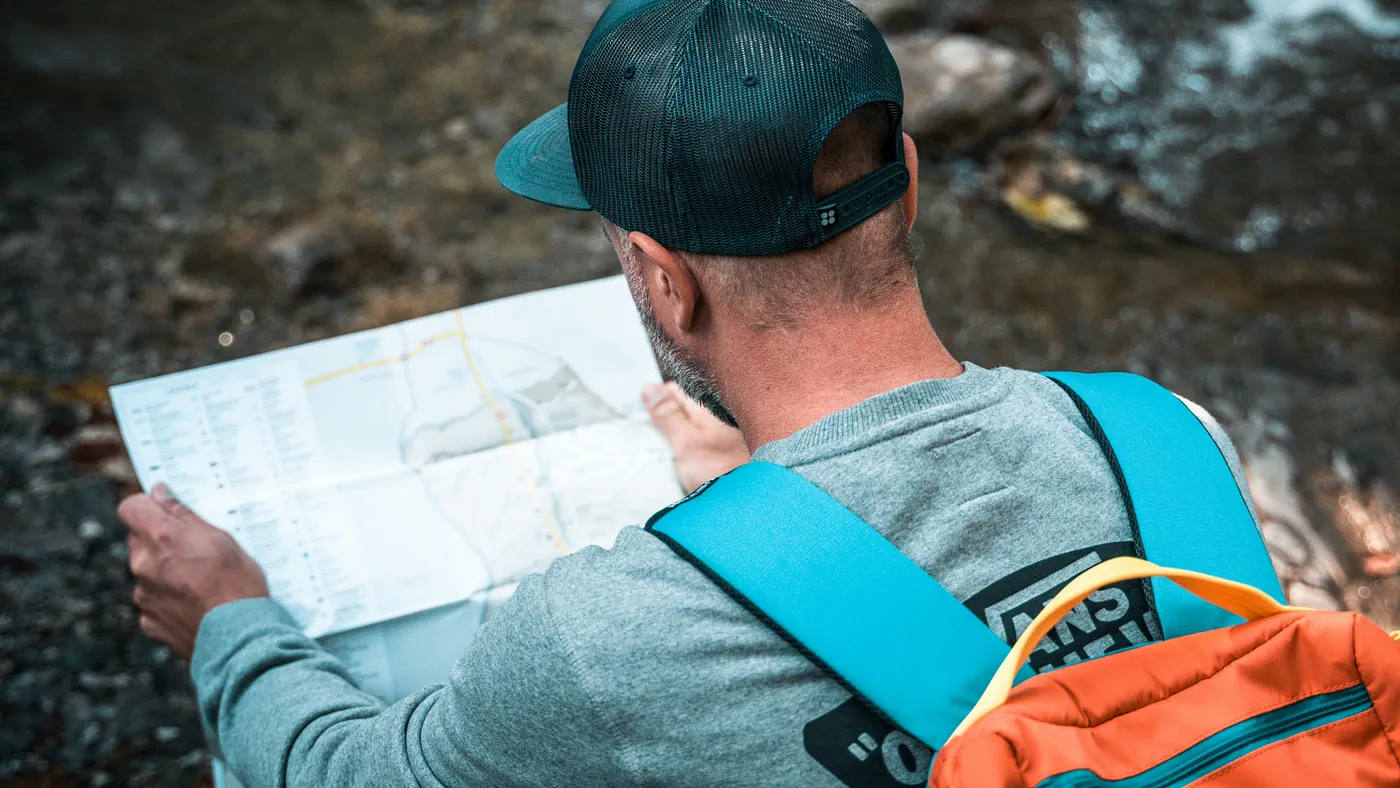
When you open intrip, you don’t land on an algorithm-driven feed. You land on a map.
Not just any map — but a living one, shaped by real experiences.
Every place on the map exists because someone chose to share it.
Not because it paid to be there.
Not because it went viral.
Just because it mattered to someone.
Context Over Trend
One of the biggest problems today is that everything is flattened into numbers:
Ratings
Likes
Views
But numbers don’t tell you why a place matters.
On intrip, every recommendation carries context:
Why this place is special
When to go
Who it’s for
And more
Because a quiet café isn’t “better” than a busy restaurant — it depends on what you’re looking for.
We’re not trying to rank the world.
We’re trying to explain it.
Discovery Through People, Not Algorithms
Instead of following trends, you follow perspectives.
People whose taste you trust.
People who explore the way you do.
Not influencers trying to perform —
just real people sharing places they genuinely care about.
It should feel less like scrolling content, and more like getting recommendations from friends.
Designed for Intent, Not Distraction
Most platforms are optimized for one thing: keeping your attention.
That’s why you get pulled from trip planning… into a dancing cat video.
intrip is designed differently.
You open it with a purpose:
“I want to find something.”
And the product respects that.
No infinite scroll.
No unrelated distractions.
No fighting the algorithm.
Just a clear path from:
curiosity → discovery → decision → experience
We’re still early. There’s a lot to build, a lot to refine, and a lot to learn. But the direction is clear:
Discovery should feel human again, and we want to bring back the joy of exploration.
finding maria was a highlight of our journey.
Emily is a biomedical engineer and medical scientist based in Vancouver, with a strong passion for exploring diverse cuisines.
"Vancouver is an exceptional city for food enthusiasts, and I feel privileged to live in such a vibrant culinary environment. Through this platform, I would like to share my food experiences and memorable discoveries, as food is one of my genuine passions."
Emily brings the same precision from her scientific background into how she evaluates a meal — she's known for honest, in-depth reviews that go beyond the surface, and for carefully documenting every spot she visits.
Emily is excited to pair with intrip to map out her food discoveries and make them easy for others to find, helping more people uncover the great experiences hiding in their own neighbourhood.
Check Emily's map here!